Anti-Theft Tracking Devices for Business Equipment
A padlock adds 30 seconds of resistance. A security camera records the theft. Neither one tells you where your $50,000 excavator is right now.
The construction industry loses $1 billion per year to equipment theft. The National Equipment Register reports that only 20-25% of stolen equipment ever comes back. For contractors, landscapers, and fleet operators, the math is brutal: most stolen equipment is gone permanently, and insurance rarely covers full replacement value.
Anti-theft tracking devices change that equation. They don't prevent the theft from happening. They make recovery almost certain. And that distinction, between prevention and recovery, is the most important thing to understand about protecting business equipment.
Why Prevention Alone Fails
Every prevention measure has a known defeat method. Padlocks get cut with bolt cutters in under 30 seconds. Steering wheel locks get sawed through. Kill switches get bypassed by anyone who knows which wire to jump. Gang boxes get pried open or loaded onto a truck whole. Security cameras capture footage that identifies exactly nobody, because thieves wear hoodies and work at night.
This is not an argument against prevention. Locks and cameras raise the effort threshold and deter opportunistic theft. Use them. But organized equipment theft rings treat these measures as minor obstacles, not real barriers. A professional crew can load a skid steer onto a flatbed in under 10 minutes, padlock and all.
The FBI's Uniform Crime Report shows that property crime recovery rates for construction equipment sit between 7% and 25%, depending on the equipment type and region. Heavy equipment that crosses state lines within 24 hours (which organized rings make sure happens) drops below 10% recovery.
Prevention fails because it depends on stopping the thief. Recovery succeeds because it depends on finding the equipment after the thief thinks they got away with it.
The Recovery Layer: How Tracking Changes the Math
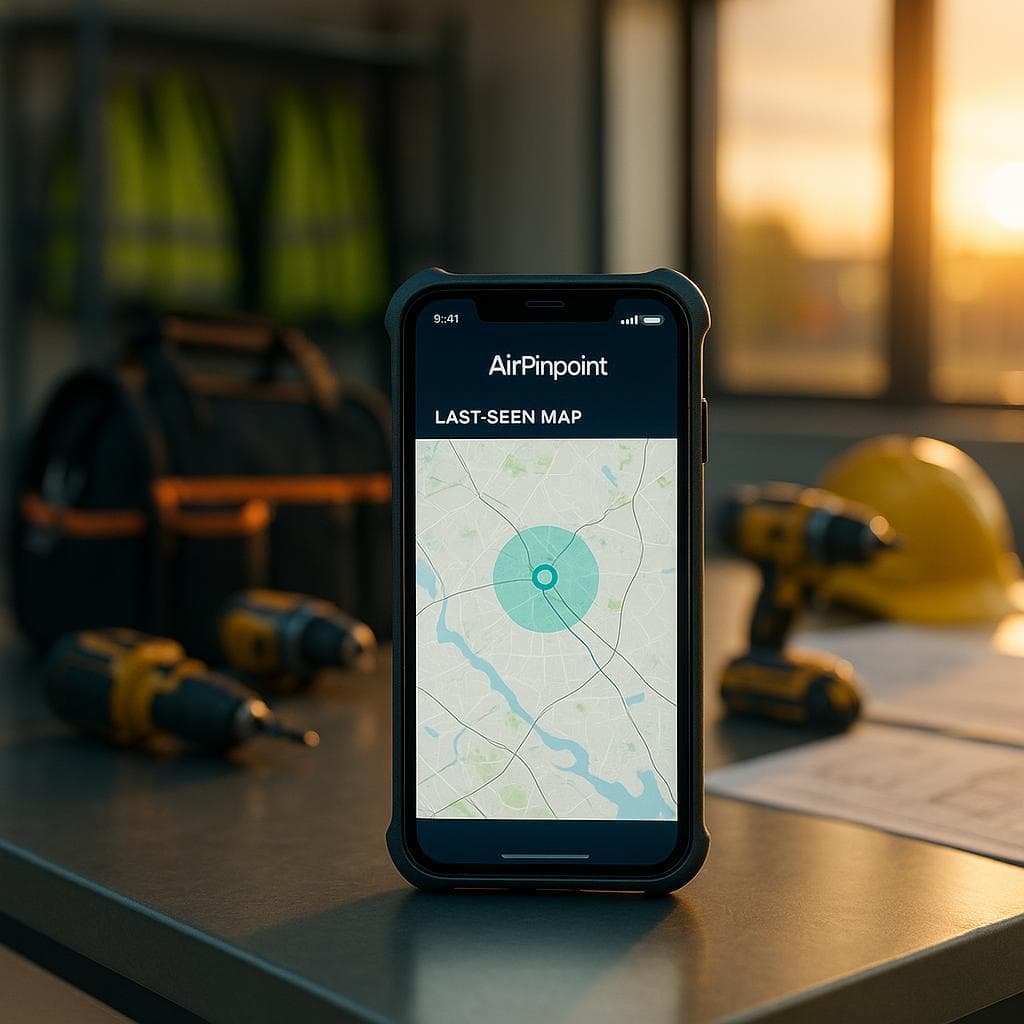
A hidden anti-theft tracker shifts the power dynamic entirely. The thief takes the equipment. They drive it to a storage yard or chop shop. They think the job is done. Meanwhile, you open an app and see the exact address.
Police departments across the country report that actionable GPS coordinates convert a property theft case from a backlog entry into a same-day recovery operation. When you call and say "my excavator is at 4220 Industrial Parkway, Bay 3, right now," that is a fundamentally different conversation than "my excavator was stolen from my jobsite sometime last night."
Recovery rates with active tracking devices consistently land between 80% and 95%, depending on how quickly the owner checks the tracker and contacts law enforcement. Compare that to the 7-25% baseline without tracking.
The ROI calculation is almost absurd. A $29 tracker on a $50,000 piece of equipment. Even at $11.99/month for monitoring, you spend $173 in the first year to protect a $50K asset. That is a 289:1 ratio of protected value to tracking cost.
Types of Anti-Theft Tracking Devices
Not all trackers work the same way. The technology behind the device determines its update frequency, battery life, monthly cost, and how easy it is for a thief to detect and remove.
Cellular GPS Trackers
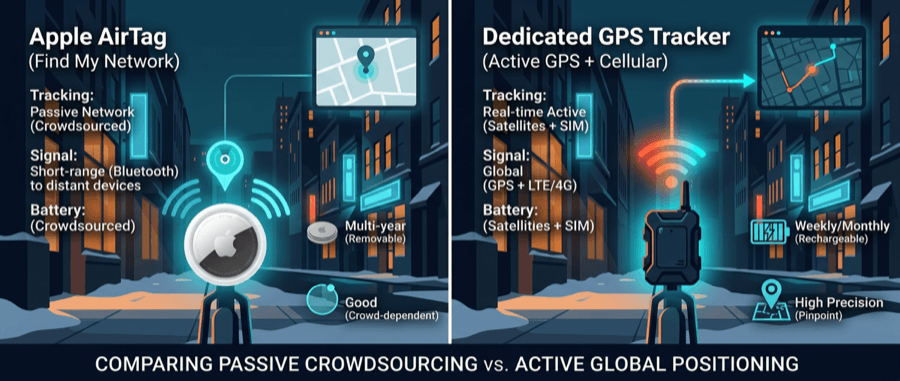
These devices contain a GPS receiver and a cellular modem. They calculate their position via satellite, then transmit it over the cellular network (3G/4G/LTE) to a cloud server. You see the location on an app or web dashboard.
Strengths: Real-time or near-real-time updates (every 30 seconds to 5 minutes). Work anywhere with cell coverage. Most accurate position data.
Weaknesses: Monthly cellular plan required ($20-45/device). Battery life of 1-4 weeks with frequent updates. Larger form factor (harder to conceal). The cellular radio can be detected with an RF scanner. Requires recharging or hardwiring to vehicle power.
Best for: High-value mobile equipment that has its own power source (vehicles, generators, compressors). Assets where real-time tracking justifies the monthly cost.
Satellite Trackers
Satellite trackers communicate via satellite networks (Globalstar, Iridium) instead of cellular. They work in truly remote locations where there is zero cell coverage.
Strengths: Work anywhere on earth, including offshore, mountains, and rural areas with no cell towers. Good for remote jobsites.
Weaknesses: Less frequent updates (every 5-60 minutes). Higher latency for alerts. Monthly fees of $12-25. Limited battery life (1-3 months). Bulkier hardware.
Best for: Equipment deployed in remote or off-grid locations where cellular coverage does not exist. Mining, forestry, pipeline, and rural construction operations.
BLE / Find My Network Trackers
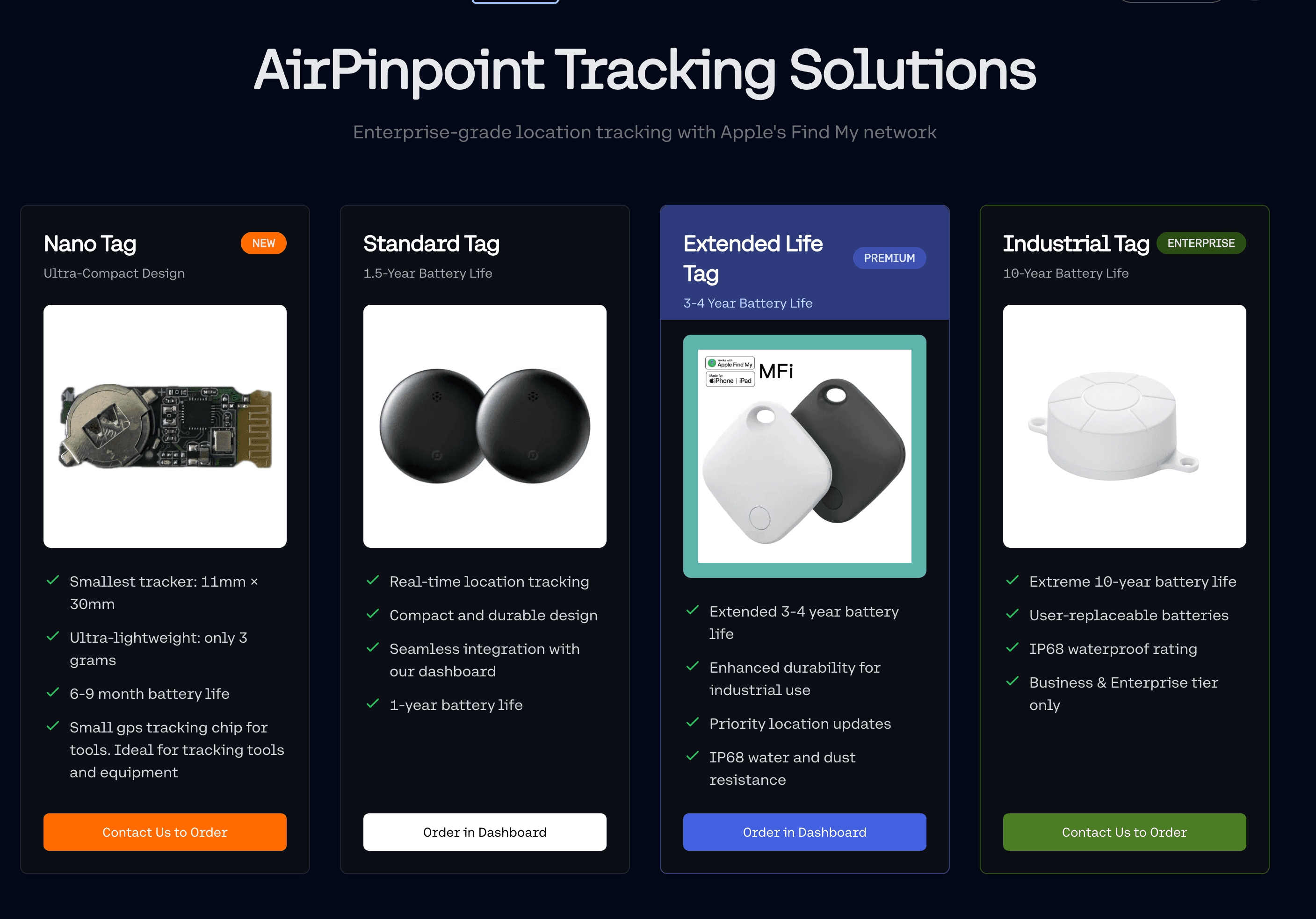
Bluetooth Low Energy trackers (including Apple AirTags and compatible devices) broadcast a short Bluetooth signal. Any nearby Apple device (iPhone, iPad, Mac) picks up that signal and relays the tracker's location to iCloud. The tracker itself has no GPS receiver and no cellular radio.
Strengths: Tiny form factor (coin-sized). Extremely long battery life (1-7+ years depending on firmware). No monthly cellular fee. Very difficult to detect or locate during a search. Apple's Find My network includes 2.5 billion active devices worldwide, providing dense coverage in populated areas.
Weaknesses: Not real-time. Location updates happen when an Apple device passes within Bluetooth range (about 30 feet). In urban and suburban areas, this means updates every few minutes. In truly remote areas with no people, gaps can occur. Requires a platform like Airpinpoint for business features (geofencing, team dashboard, location history, alerts).
Best for: Tools, small equipment, trailers, and any asset where concealment and battery life matter more than second-by-second tracking. The cost structure makes it practical to track every item on a jobsite, not just the expensive ones.
Hybrid Approach (GPS + BLE)
Some contractors use both technologies on high-value equipment. A cellular GPS tracker provides real-time updates. A hidden BLE tracker acts as a backup that survives even if the thief finds and removes the GPS unit.
This is the belt-and-suspenders approach. It costs more, but for a $200K excavator or a $80K generator, redundancy is cheap insurance.
Anti-Theft Tracker Comparison
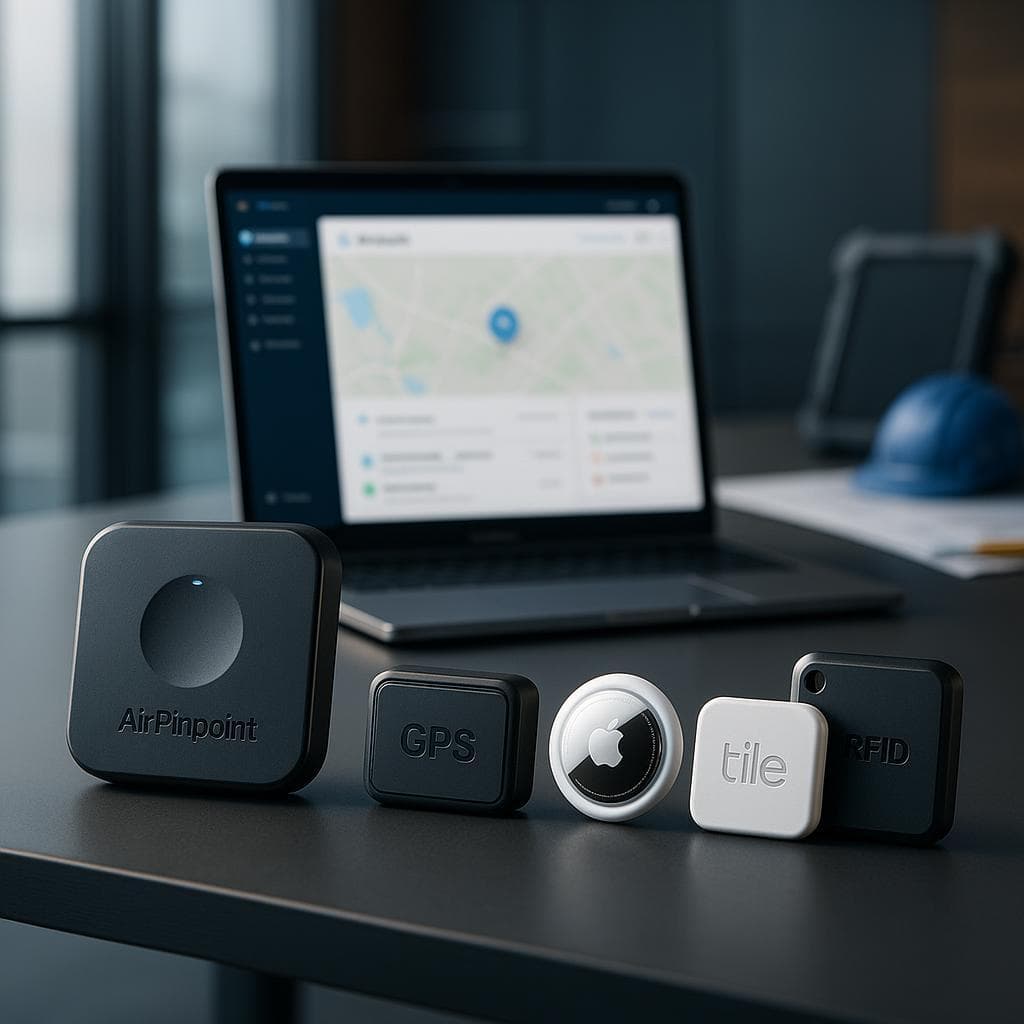
| Device | Type | Update Frequency | Battery Life | Monthly Fee | Hardware Cost | Waterproof | Best For |
|---|---|---|---|---|---|---|---|
| Airpinpoint (BLE) | Find My BLE | Every few min (urban) | 7+ years | $11.99 | $29 | Yes (IP67) | Tools, trailers, all equipment |
| Apple AirTag | Find My BLE | Every few min (urban) | ~1 year | Free (no business features) | $29 | Yes (IP67) | Personal items, single-user |
| Spytec GL300 | Cellular GPS | 5 sec - 5 min | 2-3 weeks | $25 | $40 | Splash-resistant | Vehicles, high-value equipment |
| LandAirSea Overdrive | Cellular GPS | 3 sec - 3 min | 1-2 weeks | $25 | $30 | Yes (IPX7) | Fleet vehicles |
| Tracki | Cellular GPS | 1-5 min | 2-3 weeks | $20 | $20 | Splash-resistant | Budget GPS tracking |
| Invoxia GPS Tracker | Cellular GPS + BLE | 1-15 min | 1-4 months (low power) | $10 (after year 1) | $130 | Yes (IP67) | Equipment with infrequent moves |
| Spot Trace | Satellite | 5-60 min | 1-2 months | $12 | $150 | Yes (IPX7) | Remote/off-grid equipment |
| CalAmp LMU-3030 | Cellular GPS (hardwired) | Real-time | Vehicle-powered | $25-40 | $200-350 | Yes | Heavy equipment, fleet vehicles |
Reading This Table
Monthly cost is the biggest differentiator for fleet deployment. At 50 devices, the annual subscription cost ranges from $7,200 (Airpinpoint) to $24,000 (CalAmp). Hardware cost is a one-time expense. Monthly fees compound.
Battery life matters for anti-theft because a dead tracker is an untracked asset. If your GPS tracker dies after two weeks and nobody notices, you have a window of vulnerability. The 7+ year battery life of Airpinpoint's BLE trackers eliminates this failure mode entirely.
What Matters for Business Anti-Theft Use
Consumer tracker reviews focus on things like "find my keys." Business anti-theft deployment is a different problem. Here is what actually matters when you are protecting a fleet of equipment worth six or seven figures.
Concealment
The single most important factor. If a thief can find the tracker, they remove it. Game over.
Cellular GPS trackers are the size of a deck of cards or larger. They have antennas, battery packs, and sometimes LED indicators. Hiding them effectively requires custom mounting inside equipment housings or engine compartments.
BLE trackers are coin-sized. They fit inside handlebar grips, under seats, inside frame tubes, behind control panels, in battery compartments, and dozens of other locations that require disassembly to access. A thief would need to tear the entire machine apart to find a well-hidden BLE tracker.
Battery Life and Maintenance
Every tracker that needs recharging is a tracker that will eventually be dead when you need it. In a fleet of 50 assets, managing weekly charging schedules for GPS trackers is a real operational burden. Somebody has to remember, somebody has to physically collect the devices, and somebody has to put them back.
Airpinpoint trackers last 7+ years. You attach them and forget about them. When you are deploying anti-theft trackers across a large fleet, zero maintenance is not a luxury. It is a requirement for the system to actually work at scale.
Alert Speed
When equipment moves at 2 AM, you need to know within minutes, not hours. Geofence alerts and movement notifications should push to your phone immediately. The first 30-60 minutes after a theft are critical for recovery. After that, the equipment may be in a shipping container or across state lines.
Airpinpoint sends geofence alerts when an asset crosses your defined boundary, using a 7-consecutive-ping threshold to eliminate false alarms from GPS drift. Cellular GPS trackers can alert on individual position changes, which is faster but generates more false positives.
Monthly Cost at Scale
A $25/month GPS tracker seems reasonable for one vehicle. For 100 pieces of equipment, that is $30,000/year in subscription fees alone. At that scale, the per-device monthly cost becomes the dominant factor in your tracking budget.
Airpinpoint at $11.99/device/month for 100 devices costs $14,388/year. A cellular GPS alternative at $25-35/device costs $30,000-42,000/year. The delta of $15,600-27,600 per year buys a lot of equipment.
Durability
Construction sites destroy electronics. Dust, rain, impact, vibration, temperature extremes. Any tracker going on equipment needs at least IP67 water and dust resistance. Cheap consumer trackers that claim "splash resistance" will fail in a toolbox that gets rained on.
Hiding Trackers Effectively
The art of anti-theft tracking is placement. A visible tracker gets removed. A well-hidden tracker recovers the asset.
Inside Equipment Housings
Most power tools and construction equipment have internal cavities with removable access panels. The space inside a generator housing, behind a control panel, or underneath a seat mounting bracket is ideal. The tracker stays protected from weather and invisible to casual inspection.
Frame Cavities and Structural Tubes
Skid steers, excavators, and trailers have hollow structural members. A coin-sized BLE tracker dropped into a frame tube (secured with adhesive) is essentially undetectable without cutting the frame open. This is the most secure placement option for heavy equipment.
Magnetic Hide-a-Key Boxes
For vehicles and equipment with steel frames, a tracker inside a magnetic hide-a-key box sticks to any ferrous surface. Mount it inside the frame rail, behind a bumper, or under a fender. The magnetic mount allows repositioning without tools.
Welded Mounts
Some contractors weld a small steel box onto the equipment frame and place the tracker inside with a bolted cover. This prevents removal without power tools and makes the tracker look like a factory component.
Multiple Locations
On equipment worth over $25K, place two trackers in different locations. Even if a sophisticated thief finds one, the second one stays active. At $29 per tracker, redundancy is trivially cheap relative to the asset value.
Real Recovery Stories
These cases illustrate why the recovery layer matters more than any lock or camera.
$48,000 Mini Excavator, Recovered in 14 Hours
A Bobcat E50 was stolen from a fenced construction site in Texas on a Friday night. The contractor had an Airpinpoint tracker inside the engine compartment. Saturday morning, the location showed a storage unit 40 miles from the site. The contractor called the county sheriff, provided the GPS coordinates, and the machine was recovered by noon. Total time from theft to recovery: 14 hours. Without the tracker, the excavator would have been on a flatbed heading to another state.
$12,000 in Power Tools, Found at a Pawn Shop
A plumbing contractor lost a van full of tools from a parking lot. Milwaukee rotary hammer, pipe threader, multiple cordless kits. One tool had a BLE tracker in the case. The location showed a pawn shop 15 miles away. Police recovered the tools and arrested the suspect, who had also pawned tools from three other contractors. Total recovered value across all victims: $34,000.
$85,000 Skid Steer, Intercepted at State Line
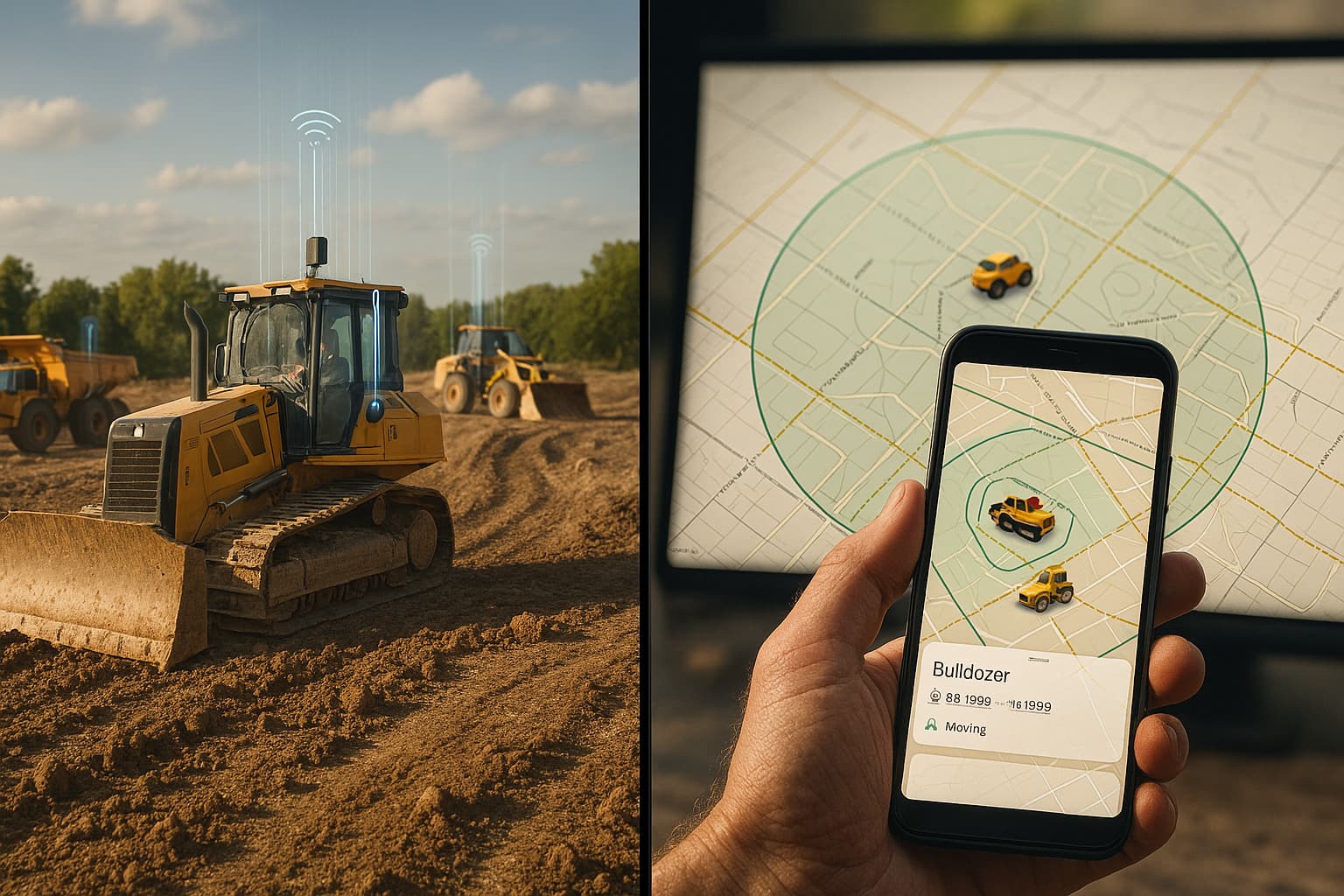
An organized crew loaded a Caterpillar 262D onto a flatbed at 3 AM. The geofence alert fired at 3:07 AM. The owner called highway patrol with the live GPS feed. Officers intercepted the flatbed at a truck stop 90 miles away before it crossed the state line. The entire event, from theft to recovery, took under 3 hours.
$3,200 Generator, Recovered from Employee's Garage
A contractor noticed a generator kept "disappearing" from jobsites and reappearing. He attached a BLE tracker. The next time it disappeared, the location showed a residential address. It was an employee taking the generator home on weekends for side jobs. The tracker data documented the pattern and resolved the situation without a false accusation.
Insurance Premium Discounts
Commercial equipment insurers price risk based on recovery likelihood. Tracked equipment represents quantifiably lower risk, and many insurers adjust premiums accordingly.
Typical discounts for actively tracked fleets:
- General commercial equipment policies: 5-10% premium reduction
- Specialty construction equipment policies: 10-15% premium reduction
- Inland marine policies: 5-12% reduction with documented tracking and geofencing
- Some specialty insurers: Up to 20% for verified GPS/BLE tracking with alert systems
A contractor paying $15,000/year in equipment insurance premiums who negotiates a 10% discount saves $1,500/year. That alone covers the Airpinpoint subscription for 10 devices.
Even without a formal discount, the claims history improvement from recovering stolen equipment (instead of filing total-loss claims) lowers your loss ratio over time, which reduces premiums at renewal.
Cost-Benefit Analysis: The Numbers
Scenario: 30-Device Construction Fleet
Without tracking:
- Average annual theft loss: $8,000-15,000 (industry average for mid-size contractors)
- Recovery rate: under 25%
- Net annual loss: $6,000-11,250 (after partial recoveries)
- Insurance deductible per claim: $1,000-2,500
- Productivity loss per theft incident: $500-2,000 (downtime, rental, reordering)
With Airpinpoint ($11.99/device/month):
- Annual tracking cost: $4,316 (30 devices x $11.99 x 12 months)
- One-time hardware: $870 (30 x $29)
- First-year total: $5,186
- Recovery rate: 80-90%+
- Expected annual theft loss reduction: 70-80%
- Net annual savings: $2,000-7,000+ (after tracking costs)
Payback period: A single recovered asset worth $5,000 or more pays for the entire fleet's tracking for a year. Most contractors experience at least one significant theft per year.
The $29 AirTag on a $50K Excavator
This is the clearest illustration of anti-theft tracking ROI. A $29 piece of hardware, monitored at $11.99/month ($144/year), protects an asset worth $50,000. The tracking cost is 0.35% of the asset value per year.
If that excavator gets stolen and recovered (instead of becoming a total loss), you just got a 347:1 return on your tracking investment. No other security measure comes close to that ratio.
Even if the excavator is never stolen, the peace of mind and insurance discount alone justify the cost. You are paying less than $0.40/day per device to know where every piece of equipment is at all times.
Getting Started
-
Identify high-value and high-risk assets. Start with equipment over $5,000 and tools that frequently move between jobsites.
-
Order Airpinpoint trackers. $29/each, shipped ready to deploy.
-
Hide the trackers well. Inside housings, frame cavities, or under-seat brackets. The less visible, the better.
-
Set up geofences. Draw polygon boundaries around every jobsite and storage yard in the Airpinpoint dashboard.
-
Enable alerts. Configure push notifications for geofence exits and after-hours movement.
-
Brief your team. Make sure foremen and project managers know how to check tracker locations and what to do if an alert fires.
Setup takes under 5 minutes per device. No wiring, no charging infrastructure, no cellular contracts to manage. You go from untracked to fully monitored in an afternoon.
Pricing
| Plan | Monthly Cost | Includes |
|---|---|---|
| Business | $11.99/device/month | Geofencing, movement alerts, location history, team dashboard |
| Enterprise | $14.99/device/month | API access, webhooks, custom integrations, priority support |
| Hardware | $29/tracker (one-time) | 7+ year battery, Apple Find My compatible, IP67 waterproof |
No contracts. No activation fees. No cellular plans. Cancel anytime.

 Our Solution